

contemporary mirrors
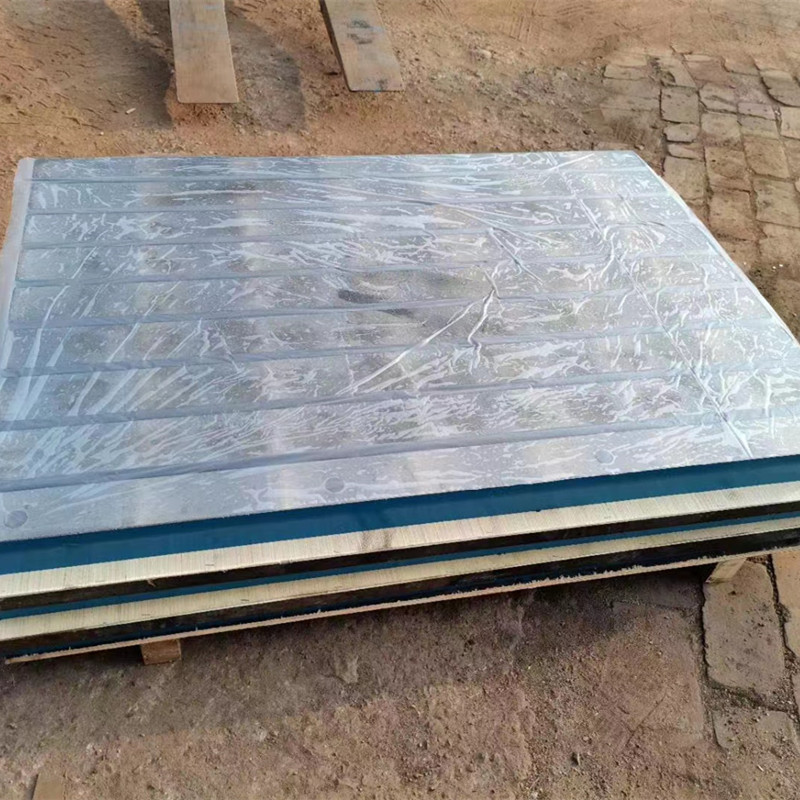
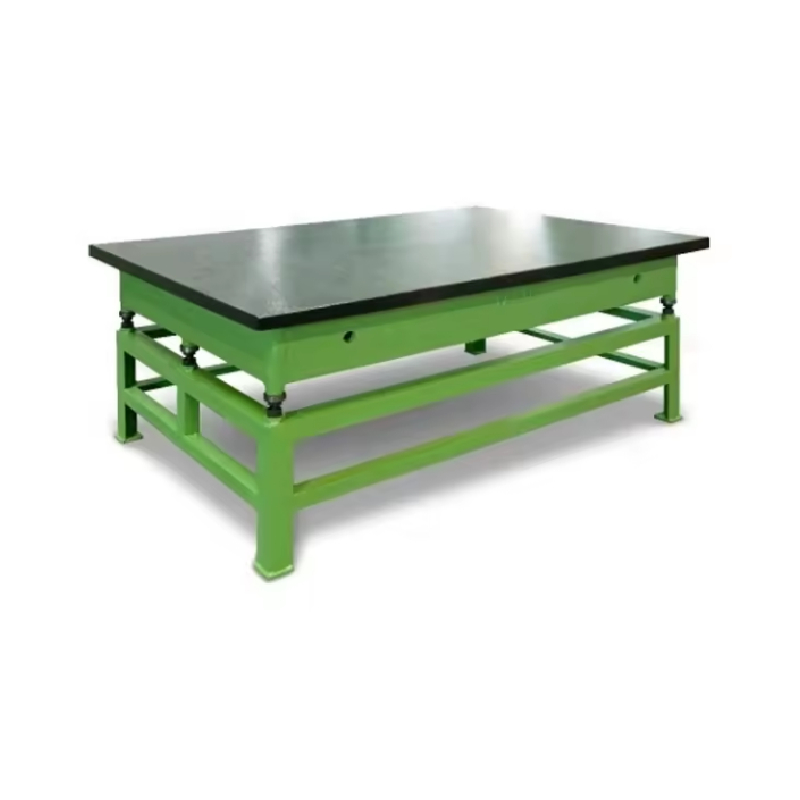
Understanding the Metal Fabrication Table A Comprehensive Guide Metal fabrication is an essential process in manufacturing and construction, playing a crucial role in various industries, from automotive to aerospace. One key element in the metal fabrication process is the ‘metal fab table,’ a workbench that is specifically designed for metalworking tasks. This article aims to provide an in-depth understanding of the metal fab table, its features, uses, and importance in the metal fabrication industry. What is a Metal Fab Table? A metal fab table, often referred to as a fabrication table or welding table, is a sturdy workstation designed to support various metalworking operations. These tables are constructed from durable materials like steel or aluminum, enabling them to withstand heavy loads and intense working conditions. The surfaces are often flat and sometimes feature a grid or holes for clamping workpieces securely. Features of a Metal Fab Table 1. Sturdiness The primary requirement of a metal fab table is its ability to support significant weight and withstand the rigors of cutting, welding, and assembling metals . High-quality materials and robust construction are essential for durability. 2. Surface Design Many metal fab tables come with a flat surface that is crucial for precise work. Some tables feature a grid pattern or pre-drilled holes that allow for easy attachment of clamps and fixtures. 3. Adjustability Some advanced fab tables may have adjustable heights or modular designs, allowing users to customize their workstation to fit specific tasks or personal ergonomic needs. 4. Portability While many fab tables are stationary due to their weight, some designs prioritize portability, including wheels or foldable options, making them suitable for on-site work. Uses of a Metal Fab Table Metal fab tables serve a multitude of functions in fabrication shops and workshops. Here are some of the primary uses metal fab table - Welding The table provides a secure and stable surface for welding operations. The flat surface helps ensure accurate and even welds, critical for structural integrity. - Cutting and Shaping Fabricators can utilize the table for cutting, grinding, and shaping metals, from initial stock preparation to final adjustments. - Assembly The table serves as a foundation for assembling metal components, allowing workers to position parts accurately and securely before final fitting or welding. Importance of Metal Fab Tables Having a dedicated metal fab table is crucial for several reasons 1. Precision A proper fab table enhances the precision of metalworking tasks. Its sturdy construction and flat surface minimize errors that can occur when working on an unstable surface. 2. Safety Investing in a robust fabricating table contributes to the safety of workers. A reliable workstation reduces the risk of accidents by providing a secure area for heavy and potentially hazardous tasks. 3. Efficiency A well-designed fab table can streamline processes, allowing workers to complete tasks more quickly and with greater accuracy. The ability to clamp, weld, or cut securely reduces the time spent on each project. 4. Versatility Metal fab tables are not limited to a single type of work. They can accommodate various tasks across different projects, providing versatility that is essential in busy fabrication environments. Conclusion The metal fabrication table is a fundamental tool in any metalworking environment, enhancing precision, safety, and efficiency. Investing in a high-quality fab table not only supports the tasks at hand but also contributes to the overall success of fabrication projects. By understanding the features, uses, and importance of this essential equipment, businesses and craftsmen can ensure they are well-equipped to tackle any metalworking challenge. Whether in a large manufacturing facility or a small workshop, a metal fab table is undeniably a significant asset in the realm of metal fabrication.
about
contemporary mirrors
The Importance of Steel Ground Anchors in Modern Engineering In contemporary construction and engineering projects, the significance of ground anchors cannot be overstated. Among the various types, steel ground anchors stand out for their structural integrity, durability, and adaptability across a wide range of applications. Whether in civil engineering, landscaping, or emergency rescue operations, steel ground anchors play a crucial role in ensuring stability and safety. Understanding Steel Ground Anchors Steel ground anchors are devices that are used to secure structures to the ground, preventing movement caused by external forces such as wind, soil settlement, or seismic activity. They are typically made from high-strength steel, providing a robust solution with high tensile strength and resistance to corrosion. Designed to transfer loads into the ground, these anchors are essential for securing a variety of structures such as buildings, towers, and retaining walls. Applications of Steel Ground Anchors 1. Civil Engineering In civil engineering projects, steel ground anchors are often employed to stabilize slopes and prevent landslides. They are used in the construction of deep foundations for bridges and buildings. These anchors are crucial during excavation, providing lateral support and maintaining the safety of the site. For example, during the construction of a high-rise building, engineers may use ground anchors to hold back soil and ensure the stability of adjacent structures. 2. Telecommunication and Energy Sectors Telecommunication towers and wind turbines are often anchored using steel ground anchors to withstand the forces of nature. The stability provided by these anchors is essential for ensuring the safety and functionality of communication networks and renewable energy sources . For instance, wind turbines must endure high winds; steel anchors prevent them from toppling over, thereby increasing their operational lifespan. steel ground anchors 3. Landscaping and Retaining Walls In landscaping, steel ground anchors are used to secure retaining walls and outdoor structures such as pergolas and fence systems. They help to prevent soil erosion and maintain the integrity of landscaping designs. By anchoring retaining walls, these structures can effectively hold back soil, protecting gardens and homes from potential damage. 4. Emergency and Rescue Operations Steel ground anchors are critical in emergency situations, especially in search and rescue operations. They can provide anchorage points for rescue lines or equipment, ensuring the safety of rescue workers. For instance, in situations involving collapsed structures, these anchors help to secure stable platforms for rescuers while they conduct their operations. Advantages of Steel Ground Anchors The choice of steel for ground anchors is primarily due to its many advantages. Steel ground anchors are known for their exceptional load-bearing capacity, high tensile strength, and excellent resistance to environmental factors like corrosion and UV radiation. Modern treatments and coatings can enhance the durability of these anchors, making them suitable for harsh weather conditions and varied soil types. Moreover, the installation of steel ground anchors is relatively straightforward. With specialized equipment, construction teams can quickly and efficiently install these anchors, reducing project timelines. This efficiency also translates into cost savings, as fewer materials and labor are required compared to alternative anchoring methods. Conclusion In conclusion, steel ground anchors are an indispensable component in the fields of construction and engineering. Their versatility, strength, and effectiveness in stabilizing structures make them a preferred choice for various applications. As construction practices and technologies continue to evolve, the role of steel ground anchors will undoubtedly expand, further contributing to the safety and durability of modern infrastructure. Engineers and construction professionals must continue to embrace innovative anchoring solutions to ensure that our built environment stands resilient against the forces of nature and time.
-

High quality industrial productsagement

High quality industrial products
View Details -

Meet the diverse needs of customers

Meet the diverse needs of customers
View Details -

Strict quality control

Strict quality control
View Details -

Top raw materials

Top raw materials
View Details -

Trusted supplier

Trusted supplier
View Details
Our application

news and information
Using a Measuring Stick and Level for Accurate Marking
marking ruler with spirit level .
Welding Inspection Guide for Accurate Measurement and Quality Assurance
The Importance of Welding Inspection Rulers in Quality Control Welding plays a crucial role in the m

Using Ring Gauges for Precision Measurement and Quality Control in Industrial Applications
The Importance of Ring Gauges in Quality Control In the realm of manufacturing and engineering, prec
 English